
My Experience
-webp(85)-o(png).webp?token=b535dea11b49703da2a7cadcfae251b9 "Healing, Crying, and Rejoicing in Her Homeland: The Journey of Serine Kazaryan")
What does it take to decide on repatriation after many years of life and professional success in the diaspora? How do you choose between stability and what your heart desires? What kind of development in Armenia’s healthcare system can be initiated by highly qualified specialists moving to Armenia, and what limitations do they face here? The long professional and life journey of Serine Kazaryan is a living guide to these questions…
Professional Path and the Moscow–Yerevan Bridge
Serine Kazaryan is an obstetrician-gynecologist, Doctor of Medical Sciences, and a successor to a dynasty of doctors and scientists. Her life path, like that of her parents – a physicist father and a physician mother, both professors and Doctors of Sciences – has unfolded over many years between two countries: Armenia and Russia.
And while Serine’s professional life still connects Yerevan and Moscow, her personal choice has already been made without hesitation: she returned to where her heart had always been – home, to Armenia. Her most cherished dream – to live in her homeland – came true relatively recently, in 2023. Its realization became a turning point, opening new horizons both professionally and in her sense of self.
“I could have been born in Moscow, where my parents were living and working at the time,” Serine recalls. “But my grandmother was an obstetrician-gynecologist, an honored doctor of the Armenian SSR, and it was important for my mother that I be born in my homeland. My childhood was divided between two cities – Yerevan and Moscow. I started first grade in Moscow, then returned to Yerevan to live with my grandparents. I finished school here in 1992, during a very difficult time for Armenia.”
The family decided: first, entrance exams to a medical university in Moscow, then, if she wished, to one in Yerevan. Serine was admitted to the Moscow Medical Academy. Despite a challenging school experience in Moscow, she made a conscious choice to sacrifice life in her beloved Yerevan for the sake of knowledge.
Her choice of profession was made long before entering medical school, back in childhood. She often visited her grandmother at work and from an early age witnessed something that cannot be faked or learned from textbooks: the genuine respect of patients, the warm, almost familial attitude toward the doctor, the trust that arises only when a person feels care and responsibility for their life. It was there, in those quiet hospital corridors, that she first understood who she wanted to become.
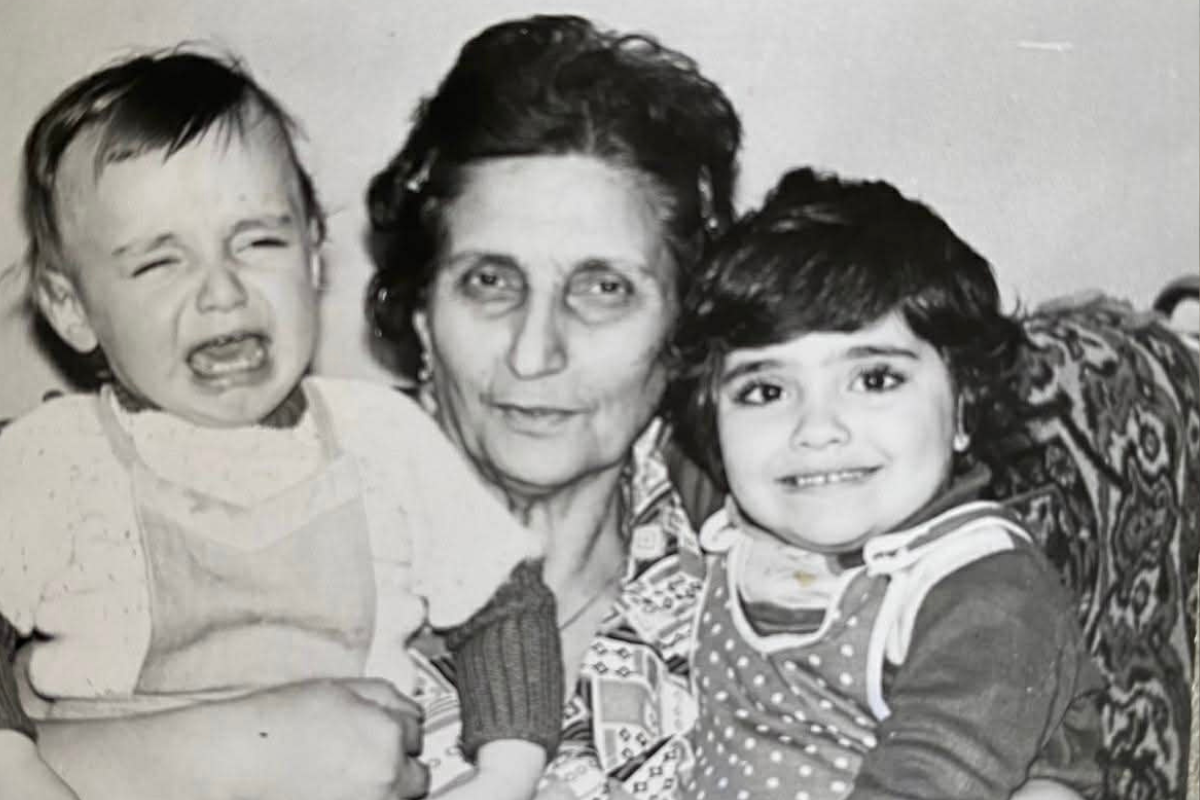
Residency, specialization in obstetrics and gynecology, work in parallel. Then postgraduate studies, a PhD dissertation… Her professional path developed steadily, while her connection with Armenia never broke. Whenever possible, Serine returned to her hometown; the dream of returning lived quietly but persistently within her.
Back, Home…
“I was never afraid of life in Armenia,” Serine says. “Even in the years when the country was going through particularly hard times and many were forced to leave. It was simply that family circumstances made life in Moscow unavoidable. And the possibility of returning and living in my homeland for a long time seemed almost unattainable – not even a dream, but a rare luxury.”
Nevertheless, even in the diaspora, her inner connection to the Armenian world was maintained through Armenian patients living in Russia, as well as through residents and postgraduate students who came to Moscow for education and then returned to Armenia. Thus, the Armenia–Russia bridge always remained alive and active. Today, Serine has patients in both countries and a professional network of doctors in Armenia with whom she collaborates and to whom she entrusts her patients.
After residency and defending her PhD dissertation, Serine worked for more than ten years at one of Russia’s first private clinics – the American Medical Center – and then continued her work at the GMS Clinic, where she still works today.
A turning point in Serine’s life came during one of the most difficult and fragile periods of her life – a time when foundations collapse and a person is left alone: “I got divorced, the father of my children left Russia, and in 2020 I lost what was most precious – my parents. They were brilliant scientists and true patriots of Armenia and Artsakh, people who were always an example of dedication and humility to me, inner strength, endless optimism, and unconditional love for their homeland. They didn’t just love Armenia – they served it all their lives, contributing to its scientific and public development.”
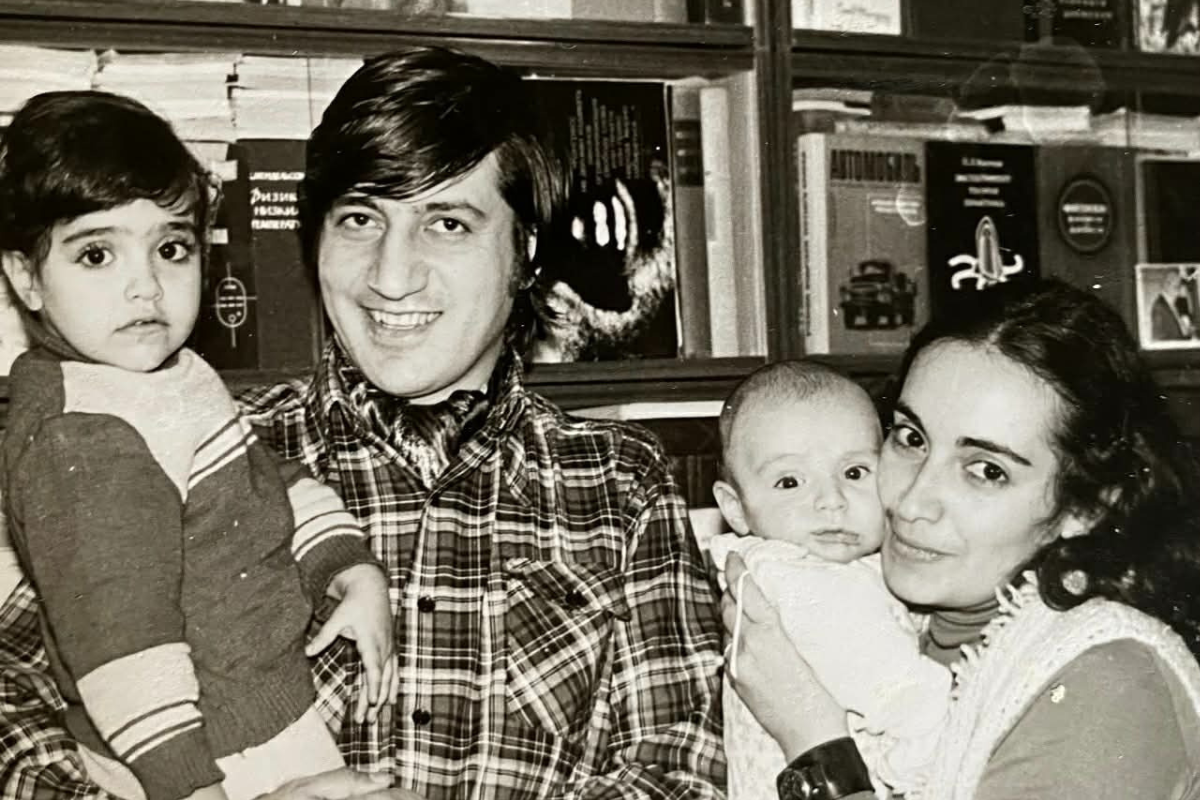
Her parents passed away just a week apart – in March 2020, from COVID-19, at the peak of their professional and social activity. This loss was a tremendous shock not only for Serine but also for her children. It was then, she admits, that fate quietly but persistently pointed the way – back home.
“At first, it was just a feeling, a thought that kept returning again and again. And then I began looking for real ways to make it happen,” the heroine recalls.
The decision was not easy: along with the loss of her parents came the feeling that everything she had built over more than twenty-five years – her professional reputation, experience, stable work in one of Moscow’s best specialized clinics – could be at risk. It was a choice between familiar stability and inner honesty with herself.
And yet, she began to notice numerous stories of other Armenians – those who returned from different countries, including Russia, and found support through the Repat Armenia Foundation.
“It is very important at some point to understand that you are not alone, that there is a community, an organization ready to support you on this path. That feeling is what gave me the strength to overcome my doubts,” Serine says.
…And Again the Yerevan–Moscow Bridge
The return was not a sudden step, and she considers this fundamentally important. The journey home turned out to be gradual, thoughtful, and gentle toward herself and her profession. Since 2023, she began traveling to Yerevan once a month at the invitation of the EcoSense clinic to provide consultations and participate in scientific conferences.
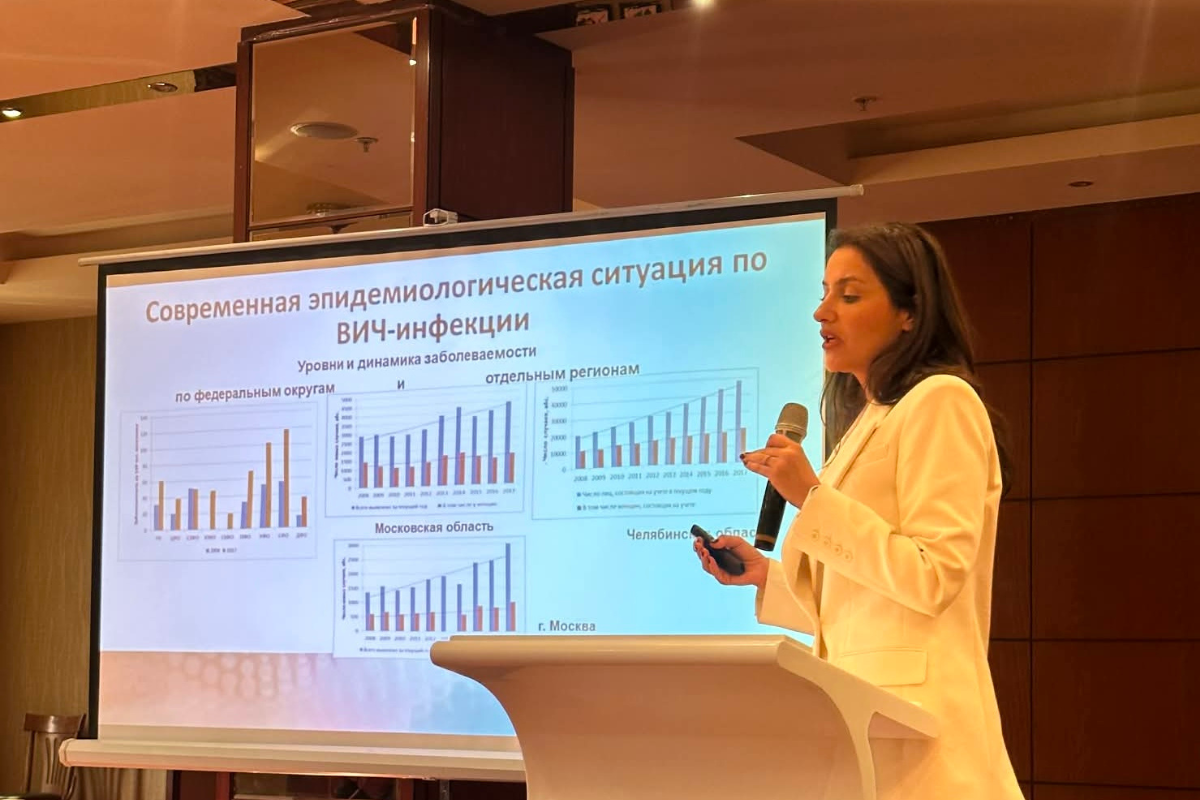
The location also had a special, almost symbolic meaning: the EcoSense clinic is located directly opposite Markaryan Hospital – the very place where her grandmother worked for more than fifty years. It was as if the family’s history itself quietly confirmed the rightness of her choice.
In 2024, Serine did what she had been working toward for years – she permanently moved to Armenia with her children. Today, her life and work are connected with Yerevan, while her professional rhythm continues to unite two cities: she works in Armenia and flies to Moscow for consultations, maintaining a strong connection between the two worlds that shaped her as a person and a doctor.
Your Doctor in Both Yerevan and Moscow
Paradoxically, professionally much has remained the same for her. In Armenia, there are many Russians, and overall the structure of her practice has remained similar: half of her patients are Armenians, half are Russians.
“It’s not so much about trust as it is about communication style,” Serine explains. “Communication is different. Russians look for ‘their’ doctor, and Moscow Armenians do too. Both find me in Moscow and in Yerevan.” After 2022, many of her patients have been coming to Armenia from Russia, England, France, the USA, the Netherlands, Sweden, Cyprus, and other countries. Western healthcare systems often seem cold and distant to them: patients there frequently lack quick access to a doctor. People are willing to travel thousands of kilometers to see “their doctor.” Sometimes it’s just a matter of choosing the destination – Moscow or Yerevan. One patient flies in from Cyprus in the morning for an appointment and returns in the evening, and this turns out to be more accessible and understandable than receiving treatment locally.
“Yerevan can quite possibly become a center for medical tourism, including for Russians,” Serine believes. “We have strong medicine, it’s easy to get here, Armenia is politically neutral, there is no language or cultural barrier, and the medical school is shared. This is a huge opportunity that has already been partially realized in fields like dentistry and plastic surgery. However, other fields also have great potential.”
Medical Tourism and Its Impact on Armenia’s Healthcare Development
Serine’s personal journey, like the experience of other doctors who have moved to Armenia from Russia, raises not only the topic of medical tourism. It brings up a more subtle and important question – what impact the return of highly qualified specialists can have on the healthcare system and how this impact manifests in practice.
“At the EcoSense clinic, I consult patients with a wide range of obstetric and gynecological needs, manage pregnancies, and then transfer deliveries to my colleagues,” Serine says. “I did not come to compete; I have my own audience, my own professional path and experience. I came with a certain status, and it is felt: I am respected, I am accepted, and I hope my experience becomes a point of growth for others.”
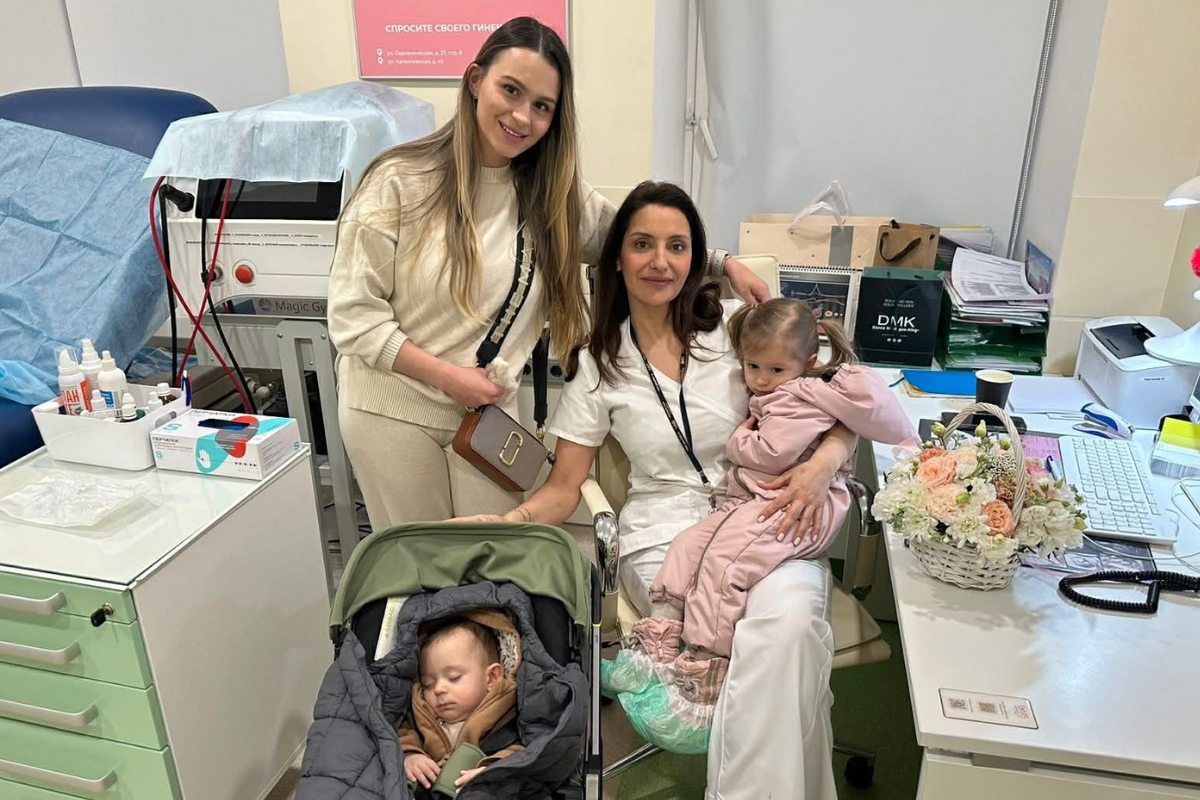
At the same time, Serine emphasizes: it is important to talk not only about opportunities but also about the real limitations faced by medical professionals relocating to Armenia.
In small countries, including Armenia, the medical field has historically developed in conditions of relative insularity. Personal connections, professional hierarchies, and a natural desire to preserve long-established status and patient circles are strong. This often creates a cautious attitude toward doctors arriving from abroad – not as partners, but as potential competitors.
“There is often skepticism toward new approaches, toward expanding the geography of medical services, toward working with patients from different countries,” Serine notes. “For a long time, this simply didn’t seem possible.”
It is important to emphasize that this is not about the professional weakness of local doctors. There are many strong, highly qualified specialists among them. However, experience in working with an international patient base, a different communication style, and an understanding of how to build trust with people from various cultures and healthcare systems – all of this remains an area for growth.
And this is precisely where repatriate medical professionals can play a special role – not replacing but complementing the existing system, bringing new practices, and expanding horizons and opportunities.
“For doctors considering moving to Armenia, it is very important to be honest with themselves and have a realistic understanding of the local context,” Serine believes. “It is equally important to find ‘your’ clinics and organizations – those that already think more broadly, that understand how, with our help, they can not only develop a single clinic but gradually raise the level of medicine as a whole.”
This process is not fast. But it is precisely from such deliberate, thoughtful steps that long-term changes are built – in the profession, in the system, and in the culture of trust between doctor and patient.
And when speaking about her personal dream, which has finally become a reality, Serine simply smiles. She is happy.
Because both her joy and her tears are now at home.
Because she cries and rejoices in her homeland.
Interview by Nare Bejanyan
Translation via AI based on the original article in Russian: Лечить, плакать и радоваться на Родине. Путь Серине Казарян

-
Personal Stories
-webp(85)-o(png).webp?token=b0b8f44ff3db826c91e2f90062960e31 "“Building should be based on what unites us.” Lusine Khumaryan") 17.12.2025“Building should be based on what unites us.” Lusine Khumaryan
17.12.2025“Building should be based on what unites us.” Lusine Khumaryan
-webp(85)-o(png).webp?token=bd67bcb312e70768a1104afb38cc06f5 "A New Home Where Jazz Plays: Mikhail Fominykh")
-webp(85)-o(png).webp?token=352fe0eaefc29d0ad1f8d09946209fe8 "To Work Without the Right to Give Up. Artush Yeghiazaryan")
-webp(85)-o(jpg).webp?token=b1cb111a56e1834ffd8f0229030f8815 "Where Dreams Take Root")