
Publications
-webp(85)-o(jpg).webp?token=664b7775c7c005590815736a4f93a641 "“Wherever you go, you will be outsiders, and Armenia is our home...”")
Byuregh Keuchkarian's short trips from Lebanon to Armenia first turned into a two-year "business trip," and then into a permanent move to her historical homeland.
Collaborating with Teach for Armenia
After graduating from high school in Lebanon and earning a bachelor's degree in biochemistry, Byuregh applied to the Teach for Armenia program and came to teach biology at a school in the village of Dashtavan in the Masis region. "I'd been to Armenia before, but only briefly. Teach for Armenia became a bridge, connecting me to Armenia forever. And the village—I'd never known what a village was; we lived in Beirut. Being in Armenia, even that was new to me."
Not only was the village new to Byuregh, but linguistic communication was as well: she understood Eastern Armenian but didn't speak it. She had to communicate in Western Armenian and also understand the Artsakh dialect—there were many children from Artsakh at school. At times, neither did she understand the students, nor did they understand her. But, as always, time fixed those issues.
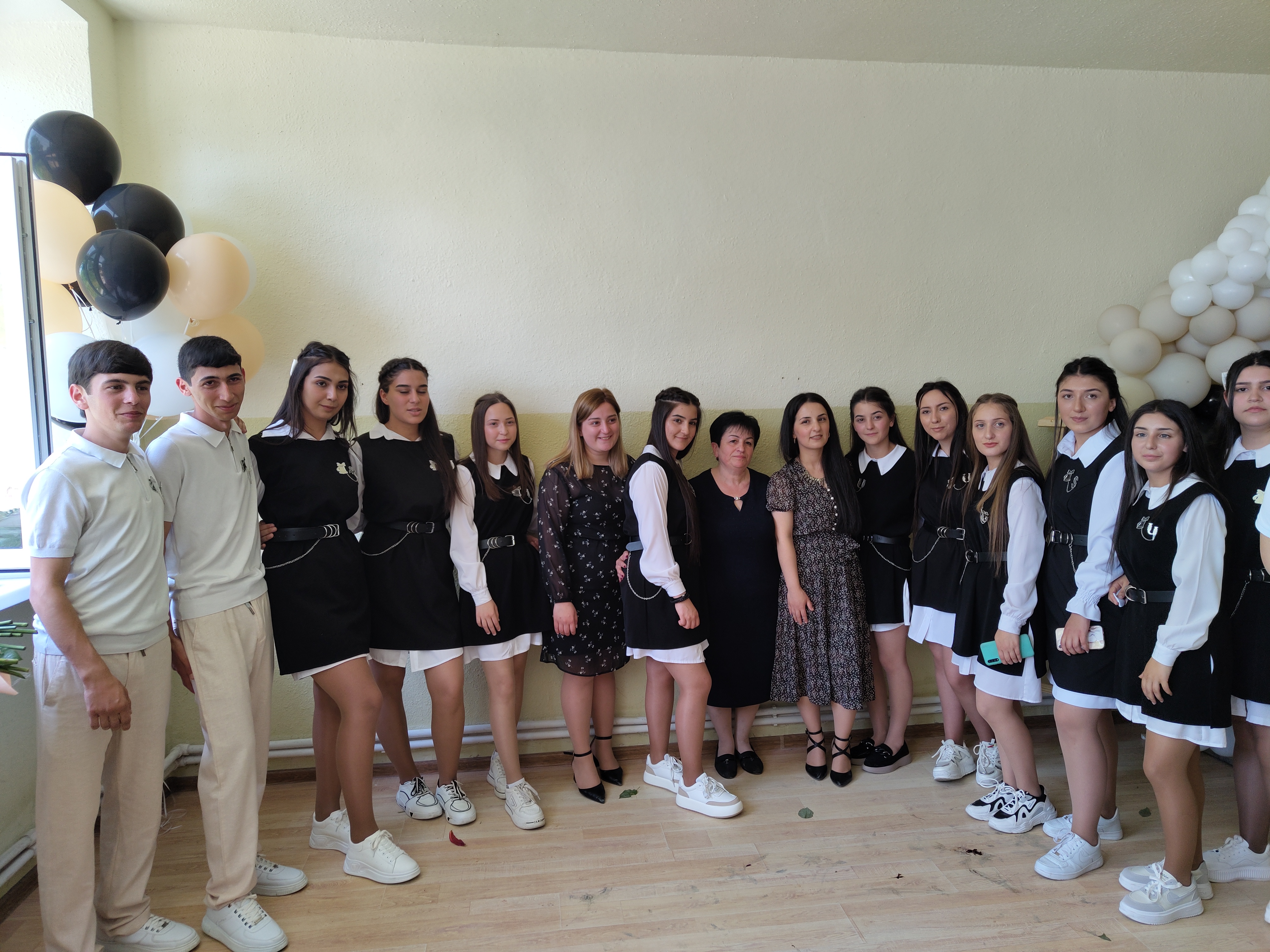
She also had to get used to the locals' empathy. While the schoolchildren were learning biology, Byuregh was learning new, unwritten rules of communication: "Everyone addressed me as 'jan,' and I perceived it as an attempt to enter my personal space, until I realized it was a way to show warmth and care."
Bride from the East
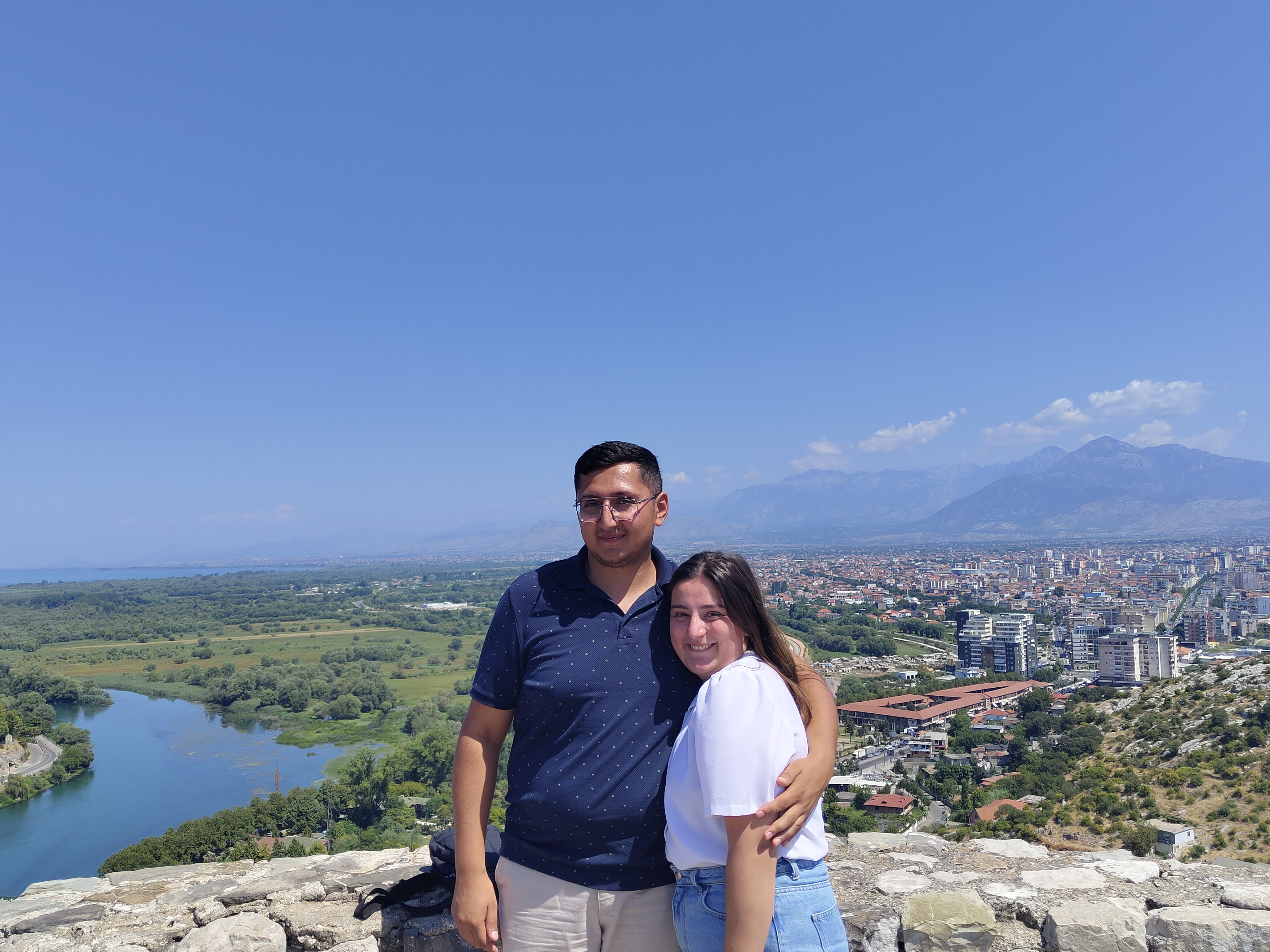
While working at Teach for Armenia, Byuregh met her future husband. It was then that she experienced the full extent of Armenian warmth and support: whereas before, Byuregh had only experienced warmth as a diaspora teacher, here she found the love and warmth of a large family.
"I got married in the village of Berkanush in the Artashat region. I feel very comfortable with my husband's family. They don't have the habits and mentality that locals typically have, which I don't like. Therefore, I feel extremely comfortable in my family," she admits.
Working at the HENAR Foundation
After completing her work at Teach for Armenia, she enrolled at the American University of Armenia and earned a master's degree in Public Health. She currently works at the Health Network of Armenia (HENAR Foundation) and manages a program to retrain family doctors in rural areas: "We retrain family doctors working in the regions, enhance their leadership skills, and fill knowledge and skill gaps.
"In parallel with this work, I help a professor at the American University teach chemistry classes."
Armenia Is My Home
Byuregh also discussed home periodically with her family—her father would say, "I'll finish my business here and go live in my own house." Everyone knew they would move to Armenia someday, but when and how were unknown.
Byuregh moved to Armenia first, followed by her brother, then her mother. Her sister and father are currently in Lebanon, but they too plan to come to Armenia soon…
"I'm happy here. Yes, there are problems; there are problems in Lebanon too, but in that regard, it's a thousand times easier here. For example, there's public transportation here, whereas in Lebanon there is a problem with that. There are no problems with electricity, water, or gas; there, everything was provided by the hour."
"And my attitude towards the word 'jan' has changed, and I use it, along with a lot of Russian words in my speech," shares Byuregh.
The heroine is certain that if you decide to live here, you need to adapt to new conditions and not expect changes from the locals. At the same time, the locals' worldviews change as a result of exposure to new cultures: many years ago, her Western Armenian was met with harsh reactions, but today the reaction is very welcoming.
"I've seen only positive things from the people, and many Armenians who came here from Lebanon saw that too and stayed. I tell everyone—it's good here, come. Wherever you go, you'll be an outsider. I felt like one in Lebanon too. And Armenia is my home..."
The interview was conducted by Nare Bejanyan.

-
Personal Stories
-webp(85)-o(png).webp?token=ca8511e7b8d4ea8094582bf0d2bedf36 "“I Like to Think That I Am a Small Part of Change”: Taron Sardaryan") 18.05.2026“I Like to Think That I Am a Small Part of Change”: Taron Sardaryan
18.05.2026“I Like to Think That I Am a Small Part of Change”: Taron Sardaryan -
News
-webp(85)-o(png).webp?token=54703f559ec9054d6e706d0194d50089 "Armenia Residency 2026 Reform: What Diaspora Armenians Must Know Before August 1") 13.05.2026Armenia Residency 2026 Reform: What Diaspora Armenians Must Know Before August 1
13.05.2026Armenia Residency 2026 Reform: What Diaspora Armenians Must Know Before August 1 -
Practical Tips
-webp(85)-o(jpg).webp?token=2ff94e450d02bcf3df88f5793fc20a07 "Digital Nomad in Armenia 2026: A Step-by-Step Guide to Residence Permits for Remote Workers") 28.04.2026Digital Nomad in Armenia 2026: A Step-by-Step Guide to Residence Permits for Remote Workers
28.04.2026Digital Nomad in Armenia 2026: A Step-by-Step Guide to Residence Permits for Remote Workers
-webp(85)-o(png).webp?token=2eae0b64335d852484e95f47b69a3ad8 "Հայրենադարձության, ներգաղթի և քաղաքական կամքի թուլության մասին")