
Publications
-webp(85)-o(png).webp?token=3f9cb55ee8a5cd846314681b02614c88 "Mapping the Armenian Diaspora: Who They Are, Where They Are, and What They Want")
We hear a lot of blanket statements about the diaspora and its role in shaping Armenia. Still, few people take the time to truly understand what the diaspora actually is. With debates around repatriation growing stronger, it is important for anyone considering a return to understand who Armenians abroad are, where they live, and what drives their decision to come home (or stay abroad). This article maps the Diaspora with an analytical lens, and explores what, in 2025, the Diaspora might want and expect if they consider repatriation.
Who Makes up the Armenian Diaspora?
The Armenian Diaspora is a term used to describe the dispersion of Armenians across the globe, which is one of the largest and oldest diasporas in the world.
- Worldwide estimates of ethnic Armenians range between 8 to 11 million.
- Roughly 3 million live in the homeland (the Republic of Armenia), while the remaining 5-8 million live abroad.
This means the Diaspora constitutes the majority of Armenians globally. It is highly diverse in terms of generation (first-generation emigrants, post-Soviet migrants, descendants of genocide survivors), country of residence, language, integration level, and relationship to “Armenian identity.”
When Did the Armenian Diaspora Take Shape?
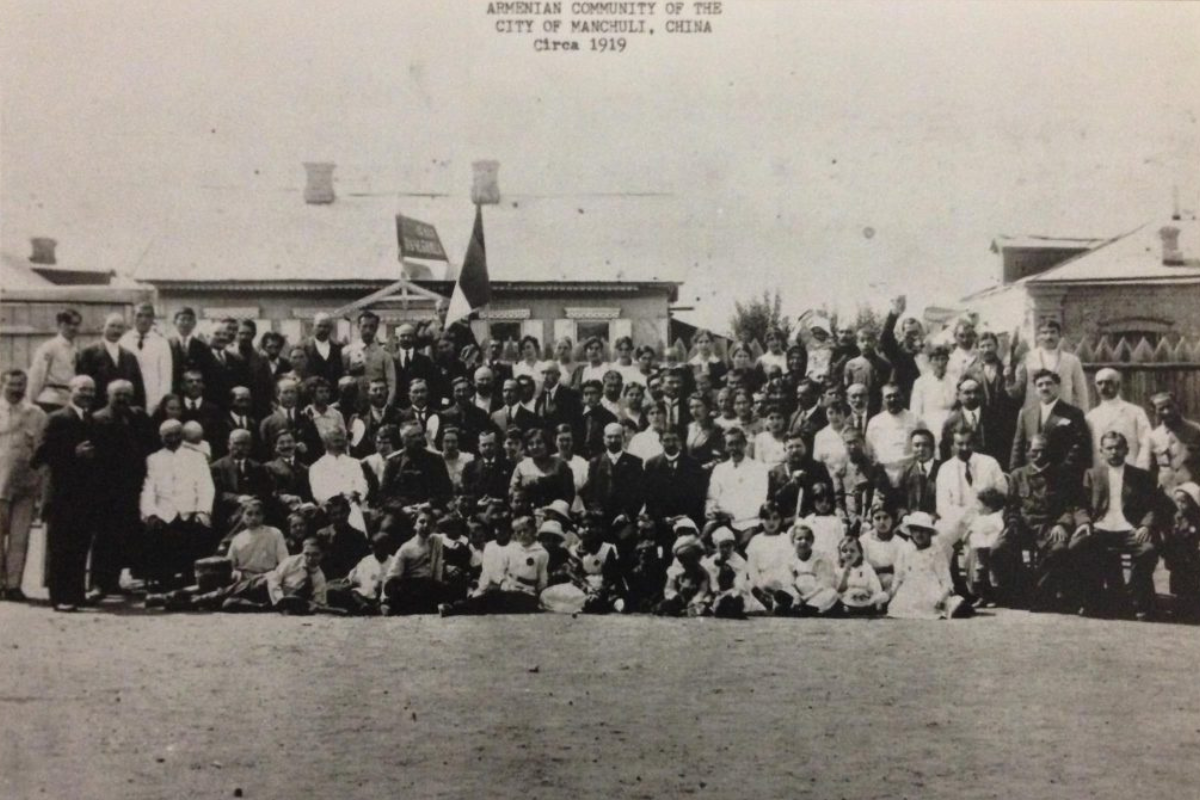
This is a complex history. Some Diaspora communities date back centuries and are the result of travel and trade routes; others were formed more recently as a direct result of the Armenian Genocide in 1915, during Soviet migration waves, or post-Soviet economic migrations.
In many cases, Armenians abroad maintain Armenian identity through language, religion, community organizations, and a sense of connection to the homeland.
Where in the World are Armenians Living Today?
The global Armenian community is widely dispersed. It is not easy to pinpoint or confirm, but we have enough estimates and demographic studies to provide a reasonable map of Diaspora concentrations.
The largest clusters of Armenians live in countries that neighbor the current Republic of Armenia, such as Russia (estimates suggest 1.2-2.5 million Armenians). This is a direct impact of post-Soviet labor migration and historical ties. Other important Diaspora centers include the United States, France, Georgia, Iran, and smaller but significant communities across Europe, the Middle East, Canada, Australia, and Latin America.
We need to understand the difficulty in generating definitive “maps”: modern censuses rarely capture second or third-generation diaspora with partial Armenian heritage, assimilation complicates identity tracking, and migration, both outward and return, remains dynamic.
Recent Trends: Return Migration and Renewed Interest in Repatriation
The first citizenship laws were established between 1995-2005, and you could technically become a citizen. But there was a catch: you could not have dual citizenship. This changed in 2005 with a constitutional change, and dual citizenship became fully legal in 2007 with formal amendments. That opened the floodgates to repatriation.
In the past decade or so, Diaspora-to-Armenia migration has seen a measurable uptick. The factors behind this trend and the statistics are important for any potential returnee to appreciate.
- According to an analysis of migration flows, since 2018 Armenia has recorded a positive net migration: +15,317 people in 2018, +10,506 in 2019, indicating more people entering than leaving.
- More recently, the number of ethnic Armenians applying for Armenian citizenship surged: 25,515 in 2022 (the highest since 1991), and 19,185 in 2023.
- Estimates between 2018-2021 suggest around 40,000 Diaspora Armenians received Armenian citizenship.
- According to an older, but still relevant, study from the early 1990s onward, around 65,000 people returned to Armenia, though only about 35,000 remained for the long term.
This suggests that while return migration is real and growing, long-term retention remains a challenge. We should also keep in mind that return migration is not always done on a voluntary basis. It can also be a forced move, even though the former shows a higher rate of success and long-term stay in Armenia.
What Motivates Armenians Abroad to Consider Returning? (What They “Want”)
Studies and personal stories point to a variety of factors driving return, ranging from emotional to economic. For many in the Diaspora these motivations are deeply personal, and reflect both identity and practicality.
Identity, Roots, Belonging
- A large share of the Diaspora retains strong emotional ties to Armenia: heritage, language, religion, and collective memory. These ties often resurface as a desire to “come home.”
- For some, repatriation is driven by a sense of moral duty, historical justice, or the wish to contribute to the homeland’s future, especially after recent crises.
Family, Community, and Belonging to a Larger Group
- Many returnees report longing for community and cultural familiarity, something they might lack after generations abroad.
- For Armenians from communities that have been under pressure (political instability, minority issues, economic hardship), Armenia can represent stability and a new start.
Economic Opportunity and Stability
- Recent positive migration statistics may reflect improving socio-economic conditions, reforms, and emerging opportunities that make Armenia more attractive than in previous decades.
- For skilled or entrepreneurial diaspora members, especially those familiar with international markets and networks, Armenia offers opportunities to invest, build, or contribute meaningfully at home.
Crisis, Geopolitical and Humanitarian Impulses
- Periods of crisis abroad, economic, political, or related to identity, can push diaspora Armenians to seek refuge, stability, or reconnection with heritage.
- The existence of accessible pathways (dual citizenship, supportive diaspora policies by the Armenian government, easier migration channels like Repat Armenia) lower barriers to return.
What Returnees Should Know: Realities, Challenges, and Caveats
While the idea of repatriation resonates deeply, the reality is rarely simple. Several studies highlight structural and personal obstacles that diaspora Armenians face if they move to Armenia.
- Historically, after the post-WWII repatriation wave (1946-1949), when over 89,000 Armenians returned, many encountered economic hardship, cultural isolation, and social tensions, leading some to re-emigrate.
- Even today, while applications for citizenship are rising, long-term retention is not guaranteed: of the ~65,000 who returned since the 1990s, only ~35,000 reportedly remained.
- Migration statistics are often incomplete: many returnees hold dual citizenship, travel frequently, or plug into informal communities, making tracking difficult.
- Socioeconomic integration in terms of employment, housing, and cultural adaptation remains a significant factor. Repatriates from western diaspora (older immigrants, descendants) may find adaptation more challenging than those from post-Soviet migratory contexts.
If you are a prospective returnee, you have to approach repatriation not as a romantic or symbolic act, but as a real-life transition that comes with a lot of planning, adaptability, and realistic expectations.
What the Homeland and Institutions Expect: the “Offer” to Diaspora Returnees
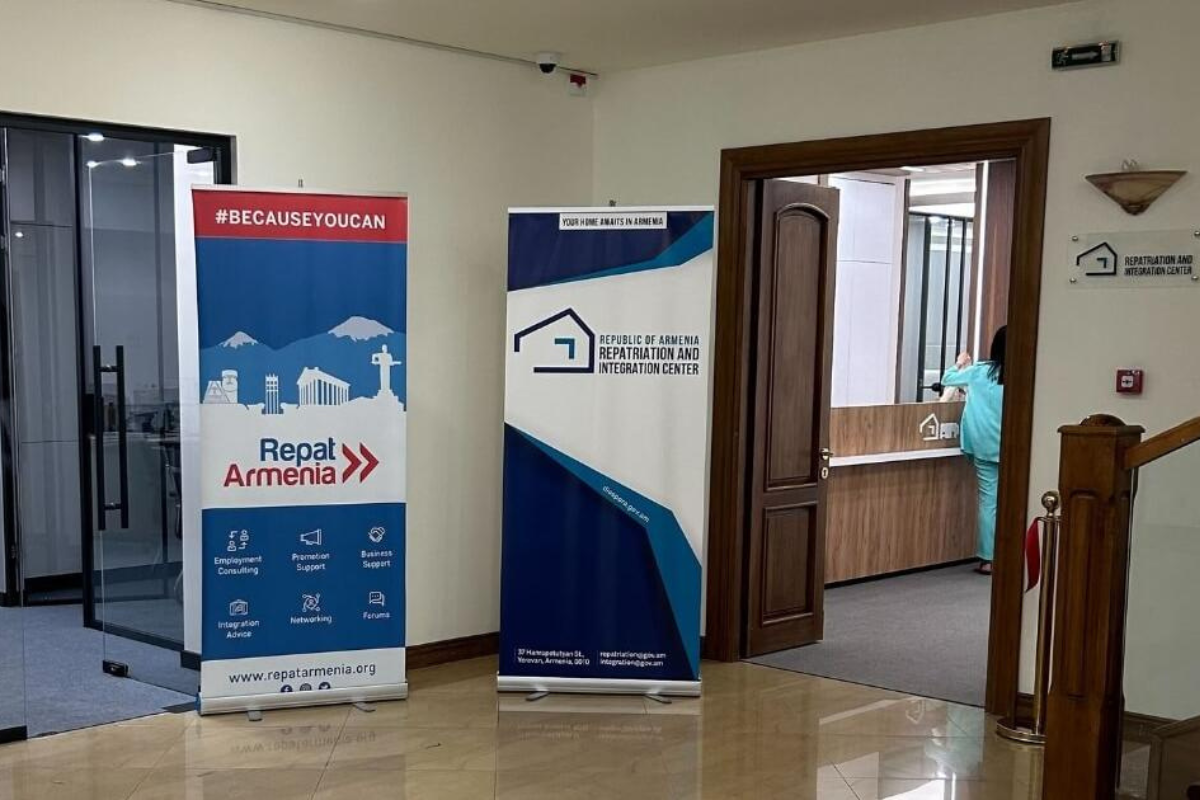
The state and civil society in Armenia have begun recalibrating their approach to diaspora engagement, recognizing the Diaspora not only as a cultural resource. There is an operational Repatriation and Integration Center, as well as the RepatArmenia foundation as a non-governmental and non-commercial institution. Both understand that the repatriation demographic is a human capital pool which can contribute to development, innovation, and rebuilding.
- There is renewed interest in "diaspora engagement" in sectors like agriculture, tourism, science, and investments, offering opportunities for diaspora Armenians to contribute to the homeland’s growth.
- Supportive legal frameworks and citizenship policies make it easier for Diaspora Armenians to return, settle, and engage meaningfully.
- For the homeland, reintegrating returnees, especially skilled and entrepreneurial diaspora, can help combat demographic decline, brain-drain, and support economic diversification.
With all this being said, Armenia still does not have clear pro-repatration policies and programs, as evidenced by the absence of a repatriation status and a law on repatriation itself, as well as modest integration support packages for those who return, such as language classes, help with public procedures, and tax-free entry of personal belongings.
What Potential Returnees Should Keep in Mind
When you map the Armenian Diaspora, you reveal both opportunity and complexity. For those considering returning, the decision is rarely just about “going home.” It involves balancing emotional ties, identity, and hope for belonging with pragmatic considerations: housing, job opportunities, cultural adaptation, and long-term integration.
For many, Armenia in 2025 may offer a renewed chance: a homeland eager for diaspora engagement, open policies, improving economic conditions, and a community ready to welcome returnees. However, the challenges of integration persist. Returning successfully requires realistic planning, openness, and resilience.
If you, like many reading this, are leaning towards repatriation, treat it as a life project, not a sentimental journey. Engage with communities, research opportunities, have contingency plans and go with clear eyes.
By Nareg Abedi Masihi

-
Practical Tips
-webp(85)-o(jpg).webp?token=2ff94e450d02bcf3df88f5793fc20a07 "Digital Nomad in Armenia 2026: A Step-by-Step Guide to Residence Permits for Remote Workers") 28.04.2026Digital Nomad in Armenia 2026: A Step-by-Step Guide to Residence Permits for Remote Workers
28.04.2026Digital Nomad in Armenia 2026: A Step-by-Step Guide to Residence Permits for Remote Workers -
News
-webp(85)-o(jpg).webp?token=e17605814ff8e8da72d528da379cb0cf "The Resilient Wound - An Armenian Genocide Story You’ve (Probably) Never Heard") 26.04.2026The Resilient Wound - An Armenian Genocide Story You’ve (Probably) Never Heard
26.04.2026The Resilient Wound - An Armenian Genocide Story You’ve (Probably) Never Heard -
Personal Stories
-webp(85)-o(png).webp?token=464a5aef32217c148d6bf1ee4e7772ba "Repats Without Restraints - A Conversation with Henrik Manukyan") 20.04.2026Repats Without Restraints - A Conversation with Henrik Manukyan
20.04.2026Repats Without Restraints - A Conversation with Henrik Manukyan
-webp(85)-o(png).webp?token=8517fc63f8330d51e4479bbb4d38a75d "Everyone Who Chooses to Be Armenian Must Be Here…")