
Publications
-webp(85)-o(png).webp?token=285c0d6dd89fbb41dd23156e7d4acfa1 "10 things to do while moving to Armenia from Bulgaria")
Born and raised in Plovdiv, Bulgaria, Nora Radoslavova made the decision to relocate to Yerevan under a one-year state program iGorts — a move that evolved from temporary contract to long-term consideration. Now living and working in Armenia with legal residency secured, she writes about repatriation from lived experience: the challenges of finding housing, navigating bureaucracy, building networks, and adjusting between Bulgarian and Armenian cultural rhythms. Her goal is to provide practical guidance for Bulgarian Armenians who want to move with clarity, not assumptions.
10 Things I Definitely Do as a Repat from Bulgaria to Armenia
I moved directly from Plovdiv to Yerevan as a Bulgarian citizen through the iGorts state program, where I work for the Office of the High Commissioner for Diaspora Affairs of the Republic of Armenia. I arrived with a secured position, later obtained a residency permit, and what initially began as a one-year professional opportunity is now turning into a serious consideration of staying in Armenia long-term.
That experience shaped how I see repatriation. Adjusting to life in Armenia after Bulgaria is not only emotional — it's administrative, financial, cultural, and professional. Even when you come prepared, there are surprises.
These are 10 things I consciously do — and would recommend doing — if you're part of the Bulgarian Armenian community considering this move.
1. Secure Legal Clarity Early
Before thinking long-term, I make sure my legal status is stable. As a Bulgarian citizen, I can stay visa-free for 180 days per year. But anything beyond that requires residency or citizenship. I made sure to obtain a residency permit early. If you're considering permanent move, look into Armenian citizenship options, understand relocation tax rules in Armenia, and clarify any legal issues for Bulgarian citizens in Armenia before your timeline becomes urgent. Legal stability reduces stress more than anything else.
2. Secure Income Before Taking Big Risks
Coming with a job changed everything for me. If you're researching jobs in Armenia for returning diaspora or wondering how to get a job in Armenia after repatriation, my advice is simple: income first, move second — if possible. Armenia's market is smaller than Bulgaria's. Networks matter. Salaries vary. One of the biggest common relocation mistakes for Bulgarian Armenians is assuming work will fall into place quickly. It may not. Financial stability makes integration smoother.
3. Budget Realistically, Not Emotionally
Before moving, I will compare the cost of living in Bulgaria vs Armenia carefully. Is Armenia expensive for Bulgarian repats? It depends. Rent in Yerevan has increased significantly. Imported goods can be costly. Utilities depend heavily on building quality. When I was looking for housing, I learned quickly that some Yerevan neighborhoods new repats regret moving to are chosen for image, not practicality. I now prioritize infrastructure, heating, and access — not just location.
4. Use Local Networks to Find Housing
Finding accommodation was more difficult than I expected. Online listings alone were not enough. It was through local friends that I was able to secure housing. If you're researching how to find housing in Armenia as a new repat, build connections before you move. Ask for referrals. Visit apartments in person. Relationships matter here — including in the rental market.
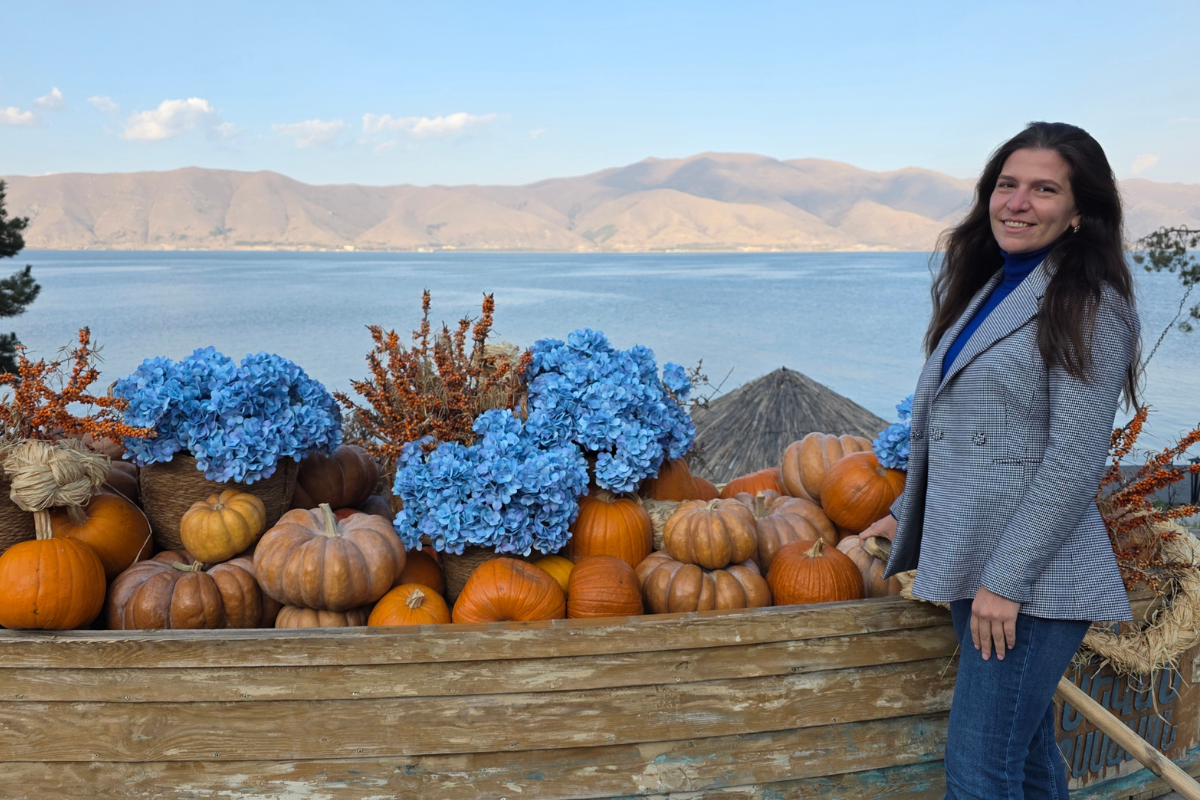
5. Organize Everyday Systems Immediately
Within my first weeks, I focused on day-to-day life management in Armenia: SIM card and internet setup, bank account, health insurance, address registration, understanding public transport vs car in Yerevan. These practical steps reduce relocation stress significantly. Don't postpone them. Daily logistics shape your comfort more than cultural discussions do.
6. Adapt to Bureaucracy Instead of Fighting It
Armenian bureaucracy works differently from EU systems. Processes may require in-person visits, physical documentation, and patience. Looking up Armenian bureaucracy tips for Bulgarian diaspora before arriving helps. One of the biggest expat life Armenia mistakes to avoid is assuming systems function exactly like in Bulgaria. Instead of resisting, I adapt and plan time accordingly.
7. Prioritize Networking from Day One
This has been one of the most important decisions I made. Even with limited Armenian and strong English, I've built meaningful professional and social connections in Yerevan. If you're thinking about integration in Armenian society for foreigners, start with networking. Yerevan is not a massive capital, but it's not small either. Circles overlap. Once you meet a few people, connections expand quickly. Attend events. Reach out. Accept invitations. Opportunities often come through people, not platforms.
8. Adjust My Communication Style
There are real cultural challenges moving to Armenia from Bulgaria. Communication can be more direct. Personal questions come earlier. Professional environments are more relationship-based. Instead of comparing constantly to EU norms, I observe and adjust. Integration is easier when you adapt your expectations without losing your core values.
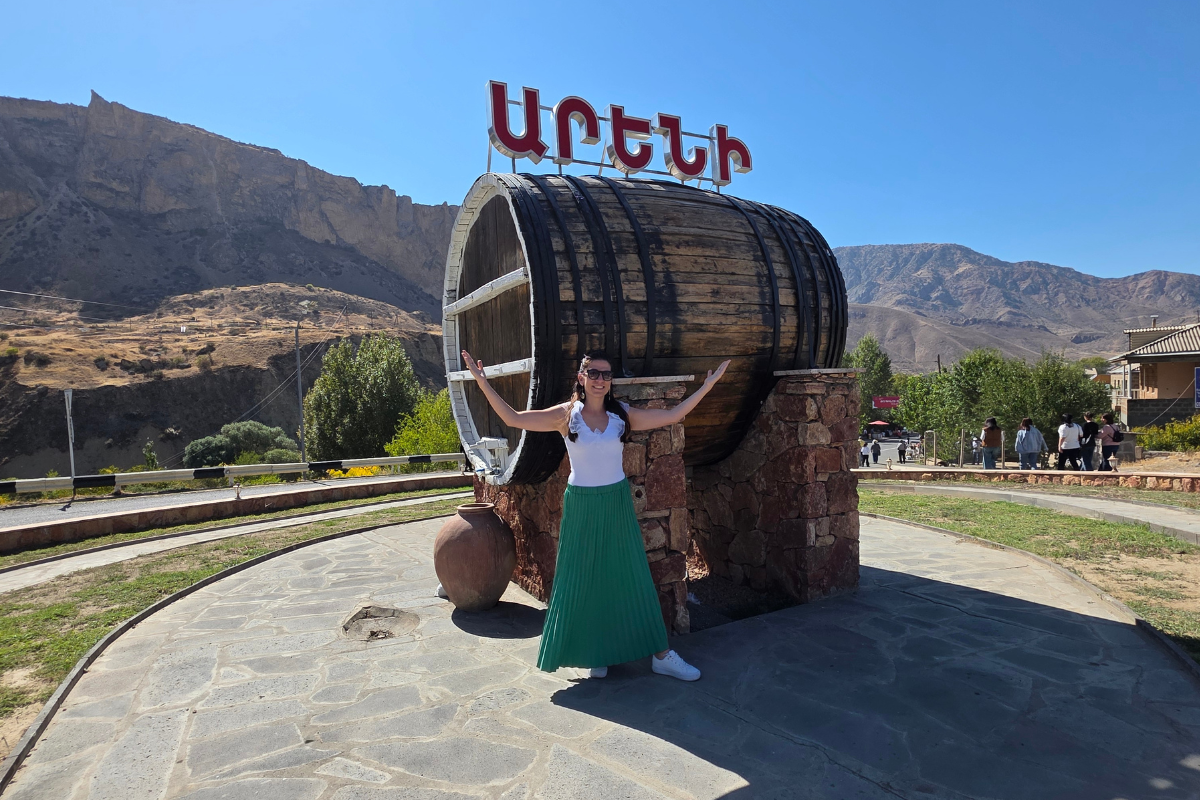
9. Treat Language as a Long-Term Investment
Many people ask how hard it is to learn Armenian. If you speak Western Armenian, adapting to Eastern Armenian is important — especially long-term. While English works well in many Yerevan environments, deeper integration requires language growth. I treat language learning as gradual progress, not immediate perfection.
10. Treat Repatriation as a Structured Life Decision
Moving from Plovdiv to Yerevan was not symbolic. It was structural. When your one-year contract starts approaching its end, bigger questions appear:
- Do I stay?
- Do I build long-term stability here?
- Do I pursue citizenship?
The best approach to settle in Armenia after moving is preparation.
- Secure your income.
- Clarify your legal status.
- Budget carefully.
- Build relationships intentionally.
Repatriation works best when emotion motivates you — but structure sustains you.
Final Reflection
I moved to Armenia thanks to governmental program iGorts with a job, a contract, and legal status. That gave me stability. But housing, systems, cultural adjustments, and long-term planning still required effort. Yerevan's scale makes it possible to build your circle faster than in many European capitals. That is a real advantage for Bulgarian Armenians considering this move.
If you are part of the Bulgarian Armenian community thinking about repatriation, approach it practically. Not as a gesture. Not as a test of identity. But as the process of building a life.
And that process starts with doing the right things — deliberately.

-
Practical Tips
-webp(85)-o(jpg).webp?token=2ff94e450d02bcf3df88f5793fc20a07 "Digital Nomad in Armenia 2026: A Step-by-Step Guide to Residence Permits for Remote Workers") 28.04.2026Digital Nomad in Armenia 2026: A Step-by-Step Guide to Residence Permits for Remote Workers
28.04.2026Digital Nomad in Armenia 2026: A Step-by-Step Guide to Residence Permits for Remote Workers -
News
-webp(85)-o(jpg).webp?token=e17605814ff8e8da72d528da379cb0cf "The Resilient Wound - An Armenian Genocide Story You’ve (Probably) Never Heard") 26.04.2026The Resilient Wound - An Armenian Genocide Story You’ve (Probably) Never Heard
26.04.2026The Resilient Wound - An Armenian Genocide Story You’ve (Probably) Never Heard -
Personal Stories
-webp(85)-o(png).webp?token=464a5aef32217c148d6bf1ee4e7772ba "Repats Without Restraints - A Conversation with Henrik Manukyan") 20.04.2026Repats Without Restraints - A Conversation with Henrik Manukyan
20.04.2026Repats Without Restraints - A Conversation with Henrik Manukyan
-webp(85)-o(png).webp?token=8517fc63f8330d51e4479bbb4d38a75d "Everyone Who Chooses to Be Armenian Must Be Here…")