
Publications
-webp(85)-o(png).webp?token=e2288a8fc1482c0691204f485a6a566e "To Frankfurt and Back Again: Returning to Armenia")
I first met Shushanik (last name withheld at her request) at the Old Tatev guesthouse. We struck up a conversation during breakfast with the rest of the guests, and it turned out she wasn’t that far from home. “I grew up in Tatev and Goris, but my parents grew up in Tandzatap. You can actually see it from the monastery.”
Tandzatap is a very small village located in the Tatev municipality that houses a little over 100 people. When you walk through its narrow pathways, it feels like any other small Armenian village, a place that feels more remembered than maintained.
Shushanik’s grandparents were born there. So were her parents. The family’s story follows a path many in southern Armenia know well: from Tandzatap to Tatev, then onward to Goris. These moves are typically driven by schooling, work, and the quiet understanding that villages are places you come from, not places you stay.
Shushanik grew up with stories about Tandzatap, but she only visited once when she was little. By the time she was old enough to form memories, Tandzatap existed mostly in photographs, in recipes that tasted better than she could ever recreate, and in the way her grandmother’s voice softened whenever the village came up in conversation.
“They never said they regretted leaving,” she said as we walked through the village with our small group. “But you could hear what they missed.”
Leaving, Like So Many Others
After finishing school, Shushanik followed a familiar path of her own. She moved to Yerevan for her studies, trading the mountains of Syunik for lecture halls, cafés, and shared apartments. Later came Germany, specifically Frankfurt, where she completed her degree in business.
“OK, I’m not gonna lie. Frankfurt is crazy efficient. It’s also predictable. I had a routine there that involved classes, part-time work, grocery runs, the usual. Living in Frankfurt gave me confidence. I mean, imagine…from a village where everyone knows each other to a foreign city where you’re largely independent.”
But, according to Shushanik, that predictability eventually took its toll. She graduated and began working at a great company for three years. And yet…
“There was always this background noise,” she says. “Like a tab you’ve left open that plays music which you can’t stop.”
That tab was Tandzatap, as it lived in family memory. The house her grandparents built. The apricot tree in the yard. The idea of a place where life was slower, but also more deliberate.
War, and the Decision to Return
The thought of returning didn’t arrive as a dramatic turning point, but it did come at a specific time. “The 44 day war…that’s what changed something in me.” She remembered. “It was something similar to survivor’s guilt. I had friends who were on the frontlines. And I knew that Syunik was in the crossfire. These were feelings that I couldn’t share with anyone.”
Germany was where Shushanik learned how systems work, how businesses are planned, how hospitality is structured, how communities market themselves. Armenia was where those lessons began to feel… unfinished. “At some point, I realized I wasn’t homesick for a city,” she told me. “I was homesick for a responsibility.”
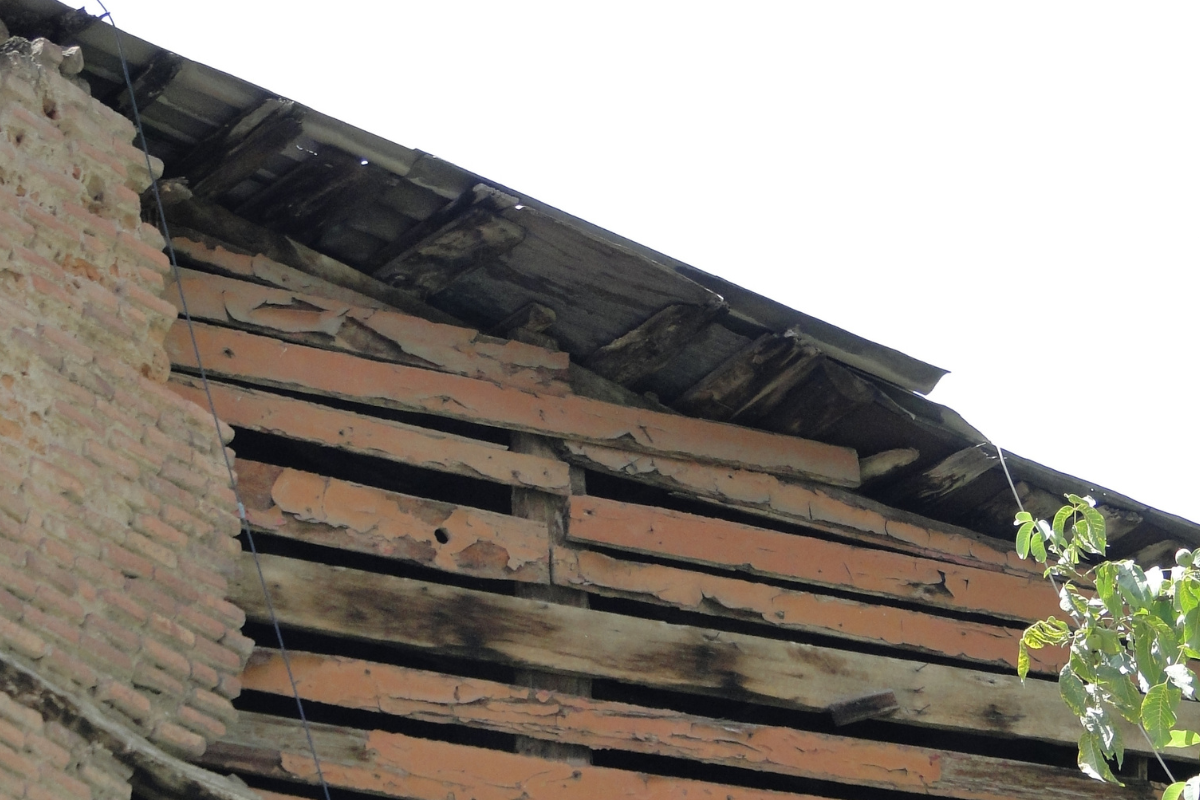
That responsibility took shape around her grandparents’ house in Tandzatap. She kept wondering what it looked like. It was probably still standing, though vacant. And that’s exactly how we found it when she took us there. The roof needed work. The windows were old. The village itself was dead quiet. “Young people leave and don’t come back, bala jan.” This is what an old woman told us.
Coming Back, Slowly
For Shushanik, returning was administrative, emotional, and often confusing. There were bags to unpack in Yerevan, paperwork to sort through, relatives to visit, and questions she didn’t always have answers to. The trip south felt symbolic in a way she hadn’t expected. Goris passed by the window first, then the familiar turn toward Tatev, and finally the road to Tandzatap (if you can call it a road).
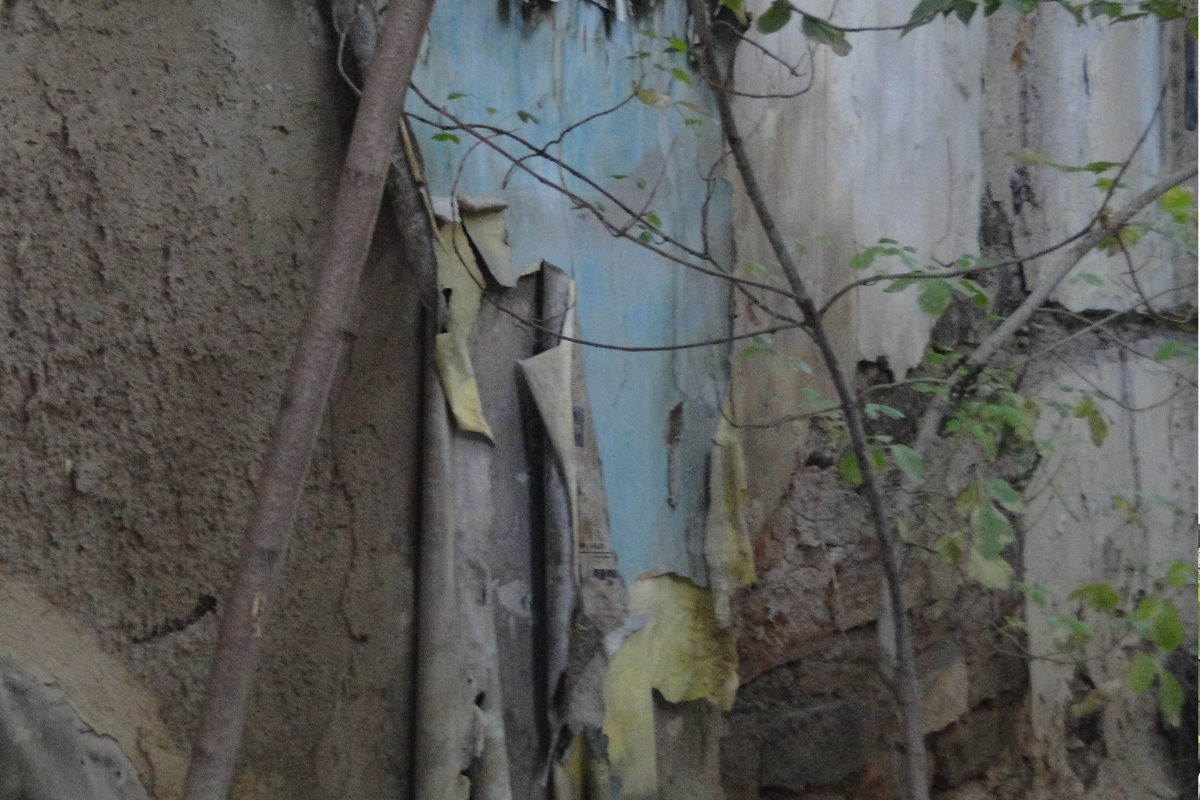
“I thought I’d feel some big revelation,” she admits. “Instead, I felt like I was being inspected. I don’t blame them [the villagers]. People usually don’t come back, and there I was with my big head of hair…” People asked whose daughter she was. Whose granddaughter. Why did she come back? As for the house itself, it was almost in ruins. No one had lived in it for ages. But that was about to change.
Living Before Building
By the time she took us to the house in Tandzatap, she had already fixed some things. “I DIY-ed a lot of this, which will probably fall apart in winter!” She chuckled. As of 2026, she still hasn’t started serious renovations. Instead, she’s done something even more unexpected: staying in Tandzatap.
“You can’t build something for a place you don’t fully understand,” she says. “And understanding takes time.”
The idea of permanence is still forming. Germany remains an option. Yerevan is just four hours away. But Tandzatap is no longer theoretical. It’s where she wants to wake up. Where she buys bread.
More Than a Project
Shushanik is careful not to romanticize her choice. Village life is hard. Infrastructure is limited. Winters are unforgiving. There are days when the distance from Frankfurt feels enormous on both geographical and mental scales. “My friends still call me crazy for doing this. But, I’ve got a unique shot at this. I can work remotely to sustain myself. Why would I want to stay in a foreign country when I’ve got heaven right in front of me?”
As for her plans to turn the house into a B&B, she still hasn’t decided. What matters more, she believes, is reversing the direction of the story, just slightly.
“Everyone knows how to leave,” she says. “We don’t talk enough about how to return.”
In Tandzatap, that return looks like a beginning that refuses to rush itself. For Shushanik, something is clear: she wants to put Tandzatap back on the map and this article was the first step in achieving that.
Interview by Nareg Abedi Masihi

-
Personal Stories
-webp(85)-o(png).webp?token=b154fb4a1ea31c6a26b34bf37c2fdb5c "Repats Without Restraints - Getting Philosophical with Karapet \"Karo\" Sahakyan") 27.05.2026Repats Without Restraints - Getting Philosophical with Karapet "Karo" Sahakyan
27.05.2026Repats Without Restraints - Getting Philosophical with Karapet "Karo" Sahakyan -
Personal Stories
-webp(85)-o(jpg).webp?token=1061e01373cf47c49cff09d50714e892 "“Wherever you go, you will be outsiders, and Armenia is our home...”") 20.05.2026“Wherever you go, you will be outsiders, and Armenia is our home...”
20.05.2026“Wherever you go, you will be outsiders, and Armenia is our home...” -
Personal Stories
-webp(85)-o(png).webp?token=ca8511e7b8d4ea8094582bf0d2bedf36 "“I Like to Think That I Am a Small Part of Change”: Taron Sardaryan") 18.05.2026“I Like to Think That I Am a Small Part of Change”: Taron Sardaryan
18.05.2026“I Like to Think That I Am a Small Part of Change”: Taron Sardaryan
-webp(85)-o(png).webp?token=48ce58c1fc2187d0a08bd0f712259b83 "Only experience reveals the truth. — Ania Adjian")