
My Experience
-webp(85)-o(png).webp?token=81334bd3f88151498fde763a614caaa3 "Only experience reveals the truth. — Ania Adjian")
Life in the Diaspora, a Natural Armenian Environment
Ania Adjian was born in Buenos Aires into a family representing the Armenian intelligentsia: Ania’s father is a writer who for many years served as director of the local Armenian school and magazine, and her mother, fluent in nine languages, taught Armenian language and literature at the same school.
“Our Armenian environment was natural, Armenian was our first language until we started kindergarten and learned Spanish.
Armenian traditions and our identity were preserved in the family, while at the same time we grew up in freedom. Argentine culture is very tolerant and patient, and whenever we spoke Armenian, people always looked at us with curiosity,” says the heroine.
Ania, of course, attended an Armenian school, but today only a few people speak Armenian in Argentina, as it is already the fifth generation of Armenians living there. Armenia is far from Argentina, Armenians rarely travel there, there are few Armenian language teachers, Armenian migration to Argentina is low, and there are also mixed marriages – the local Armenian community is both strong and in a vulnerable state. The heroine was one of those who invested enormous efforts in preserving Armenian identity, therefore she taught Western Armenian in preparatory classes and later, with the same goal, applied to the iGorts program and moved to Armenia (her older brother Ari already lives here).
From the Diaspora – to Work in the Homeland
For already half a year Ania has been living here and working in the Department of Diaspora Potential Registration and Mapping at the Office of the High Commissioner for Diaspora Affairs.
“The Armenian diaspora in Argentina and Armenia are very disconnected from one another, as if they are on different planets. Argentina has a very large and old Armenian community, but it remains separated because of the distance and the lack of smooth relations between them. Through iGorts we will try to deepen the connection between them,” continues the heroine.
She believes it is too early to speak about the results of her work, but she is happy to have had the opportunity to become part of Armenian society: “I first came to Armenia in 1999 – a quarter of a century has passed. So much has changed during this time: both the city and the opportunities, of which there are many here. They exist for everyone. Everyone can try themselves in something here. And there are so many things on which to build the diaspora–Armenia bridge. For more than a century this bridge was built around the issue of recognition of the Armenian Genocide, but today it can be built on quality education, culture, and various programs that provide opportunities for both volunteering and work.
But one should also be prepared for the less attractive aspects of life here and for cultural differences. And, of course, there is always the possibility of not adapting,” says Ania.
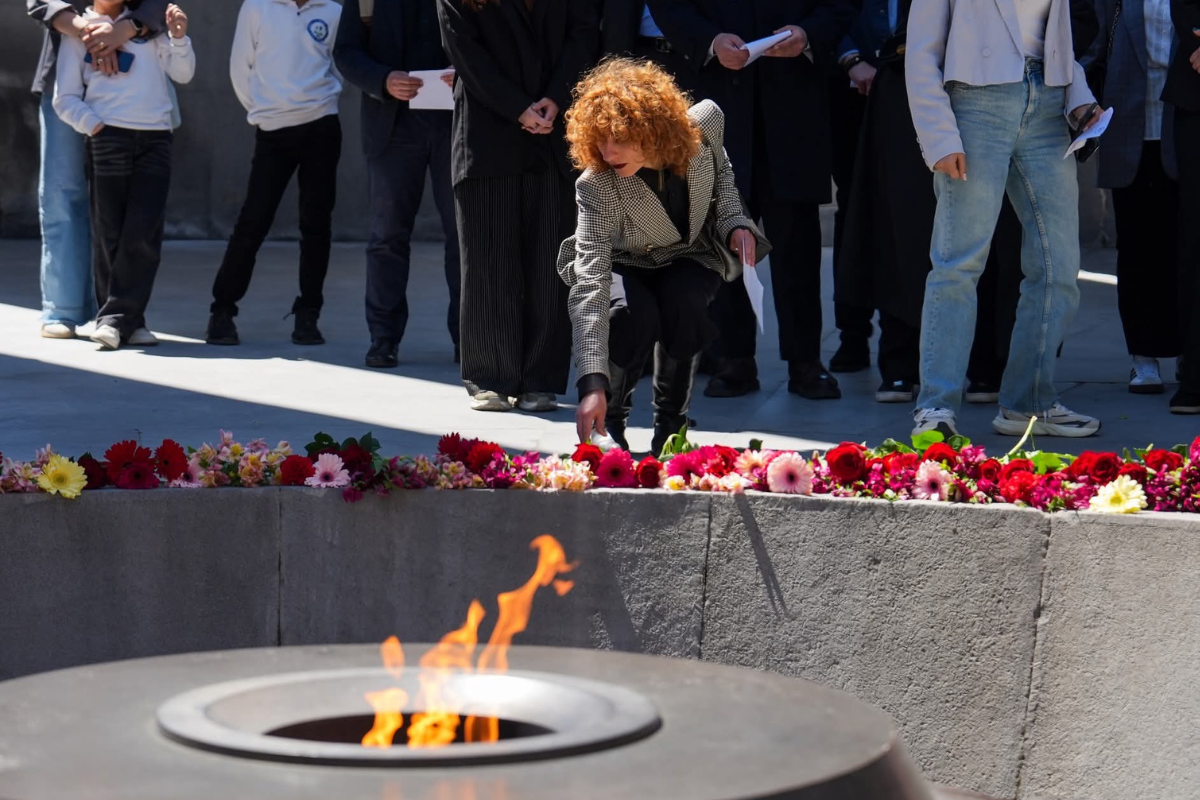
Meetings and conversations with those who moved here from South America are especially memorable. Especially because there is no negativity or dissatisfaction in them, but rather healthy criticism and readiness to be part of change, warmth, and inspiring energy.
Ari, Anais from Brazil, Aline, Ania… it seems that during these conversations I never heard complaints about Armenia or locals. And this is balm to the soul not because criticism is difficult for me to hear, but because in those who look at Armenia with faith, I see the bright future of our homeland.
The Need to Adapt to the “Local Rules”
The only thing that confused Ania during her half year of living here was the bureaucratic approach to everything, which she did not describe as “bad,” but simply, in the style of the Adjian family – “different.” Communication is probably also not as transparent as in Western countries.
“The issue is not about bad or good, but about differences, and those who come here should adapt to the ‘local rules.’ This does not mean one should not work or move forward, it means one should not expect everyone to adapt to you,” she says.
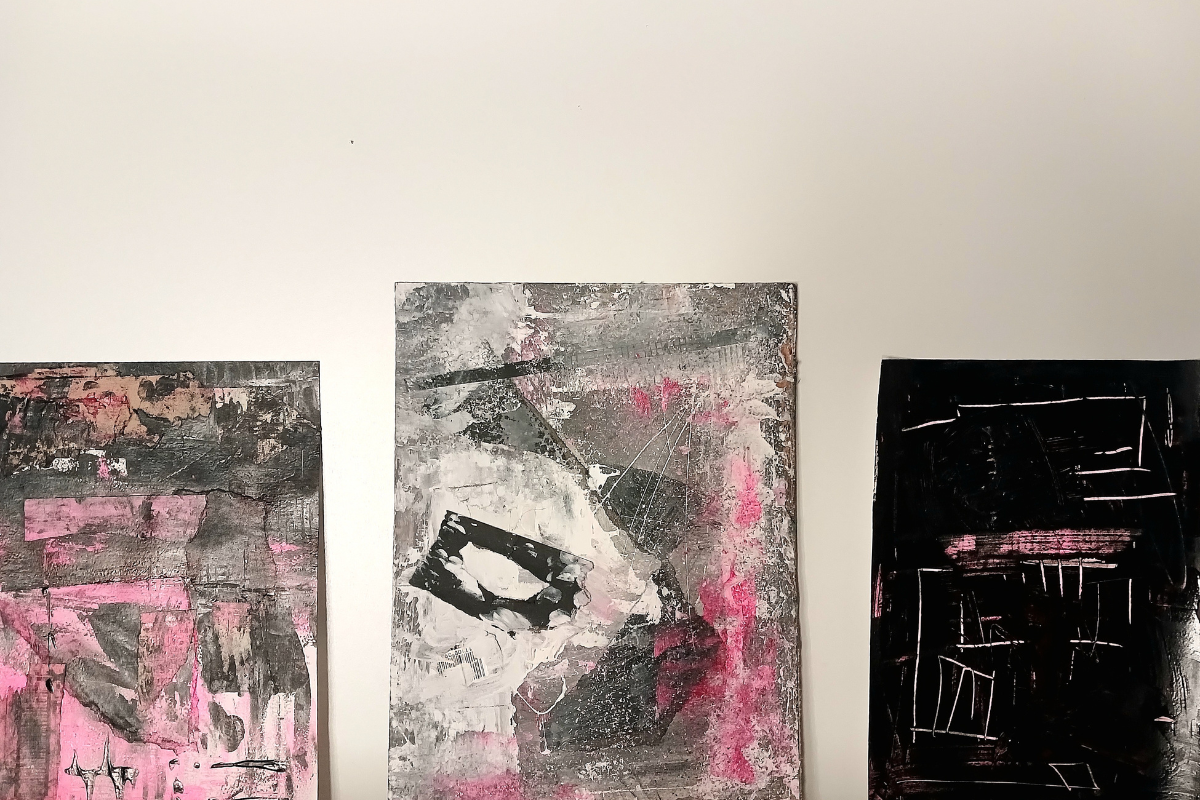
In addition to her main work, Ania creates abstract art, makes collages from recycled paper, and illustrates books, receiving commissions from Argentina and other countries. During her time here, not only has she changed, but so has her artistic style. These changes are inevitable! And priceless, Ania believes: “As priceless as what you gain here. For example, I see that my experience and knowledge are valuable here, and in the end I can be useful, useful to my Homeland.”
Diaspora and Armenia – a Path that Connects, Not Divides
The heroine does not yet know how her life will unfold after the completion of the iGorts program: she is considering what to do next and remains open to new opportunities.
Regardless of whether she stays or leaves, whether she becomes a member of Armenian society or remains in the diaspora, she is certain of one thing – the diaspora and Armenia must choose a path that unites rather than divides, and in this context even a short experience of a diasporan Armenian living in Armenia is a “big brick” in building this bridge: “Only experience shows the truth, and every person should have their own. This experience will make relationships with Armenian identity less emotional and more mature, restrained, and understanding.”
Interviewed by Nare Bejanyan

-
Personal Stories
-webp(85)-o(png).webp?token=ca8511e7b8d4ea8094582bf0d2bedf36 "“I Like to Think That I Am a Small Part of Change”: Taron Sardaryan") 18.05.2026“I Like to Think That I Am a Small Part of Change”: Taron Sardaryan
18.05.2026“I Like to Think That I Am a Small Part of Change”: Taron Sardaryan -
Personal Stories
-webp(85)-o(png).webp?token=5cecf3cb19b73bb61d86cd8beec1203a "Healing, Crying, and Rejoicing in Her Homeland: The Journey of Serine Kazaryan") 09.02.2026Healing, Crying, and Rejoicing in Her Homeland: The Journey of Serine Kazaryan
09.02.2026Healing, Crying, and Rejoicing in Her Homeland: The Journey of Serine Kazaryan
-webp(85)-o(png).webp?token=bd67bcb312e70768a1104afb38cc06f5 "A New Home Where Jazz Plays: Mikhail Fominykh")
-webp(85)-o(png).webp?token=352fe0eaefc29d0ad1f8d09946209fe8 "To Work Without the Right to Give Up. Artush Yeghiazaryan")